
The Changing Face of Influence, Part 7
The rules of influence have flipped: digital now shapes the real world, and AI is accelerating that shift. Our feeds are flooded with generic content that feels hollow, fueling a desire for the opposite: the unexpected, the imperfect and the unmistakably human. Originality, taste and sensorial experiences are the new cultural currency.
Through this eight-part series, Qulture is here to lead brands through this moment, shaping the human-first storytelling and creative differentiation that define this new era of influence.
MAN VS MACHINE
Influencers spent ten years training the AI that's replacing them. Every styled Coachella shot, every "get ready with me," every product haul, every captioned carousel was a training input. The whole industry templated itself, then handed the templates over for free. Just last month YouTube launched AI Playground, a feature that lets any creator over 18 record a live selfie and generate an AI avatar that hosts videos for them. Type a prompt. The avatar performs it.
AI is replacing the parts of influencer culture that were always reproducible: the pose, the lighting, the cadence, the sponsorship arc, the link-in-bio reveal. You'd expect this volume of AI to come with rising consumer comfort. It hasn't. Only 26% of consumers now prefer generative AI creator content to traditional creator content, down from 60% in 2023. Why the rush to AI everywhere, then? Simple economics.
A 30-second TikTok ad runs under $50 from an AI tool and $600 to $3,000+ from a top-tier human creator. In podcast advertising, the same gap shows up in the CPMs: host-read ads command $25 to $50 while synthetic-voice insertions sit at $15 to $25, a roughly 2x human premium. Despite the drop in sentiment, brands are chasing the cheaper option because the spreadsheet wins until it doesn't.
The economics are forming two tiers of influence. A high-volume bot tier where output is infinite and cheap, and a premium human tier where verifiable presence commands a price. The bet brands have to make is which side of the gap to invest in. In the short term, over-indexing on provable humanity is the right call. Longer term, as AI content becomes indistinguishable from what humans can generate, the benefit of biology over technology will be called into question. In the meantime, the battle for influence is being fought across our feeds.
Coachella 2026 Was the Canary
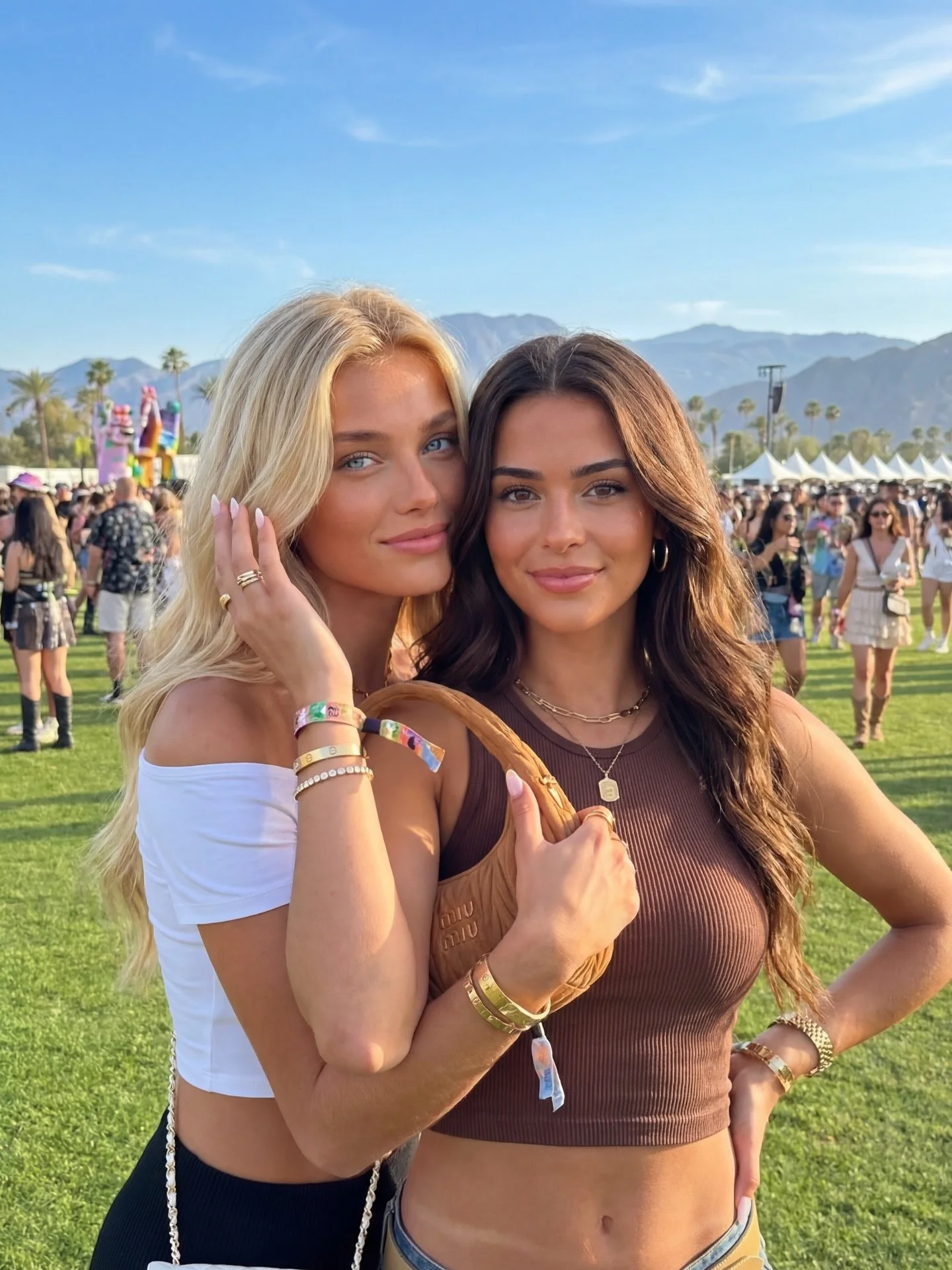
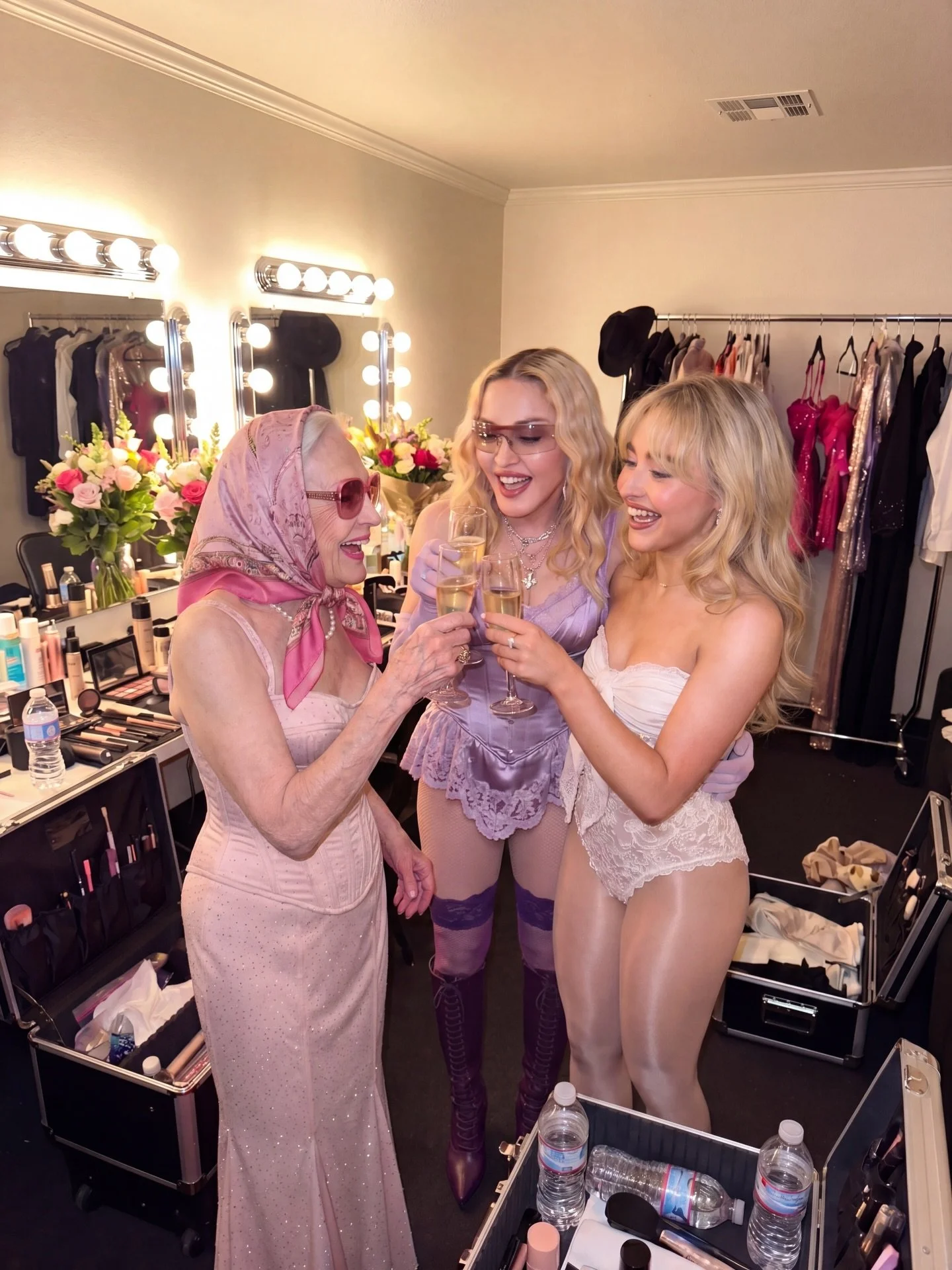
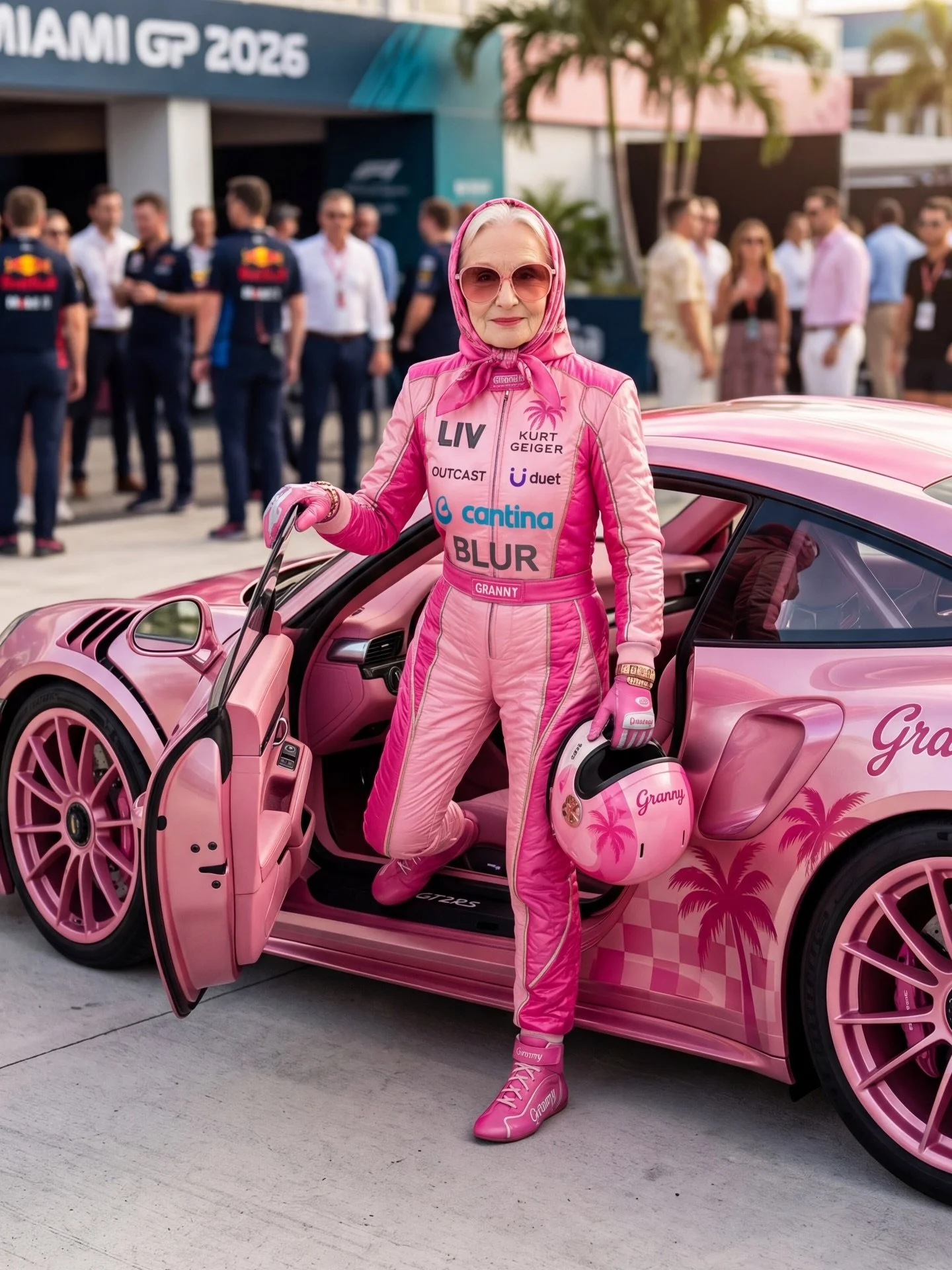
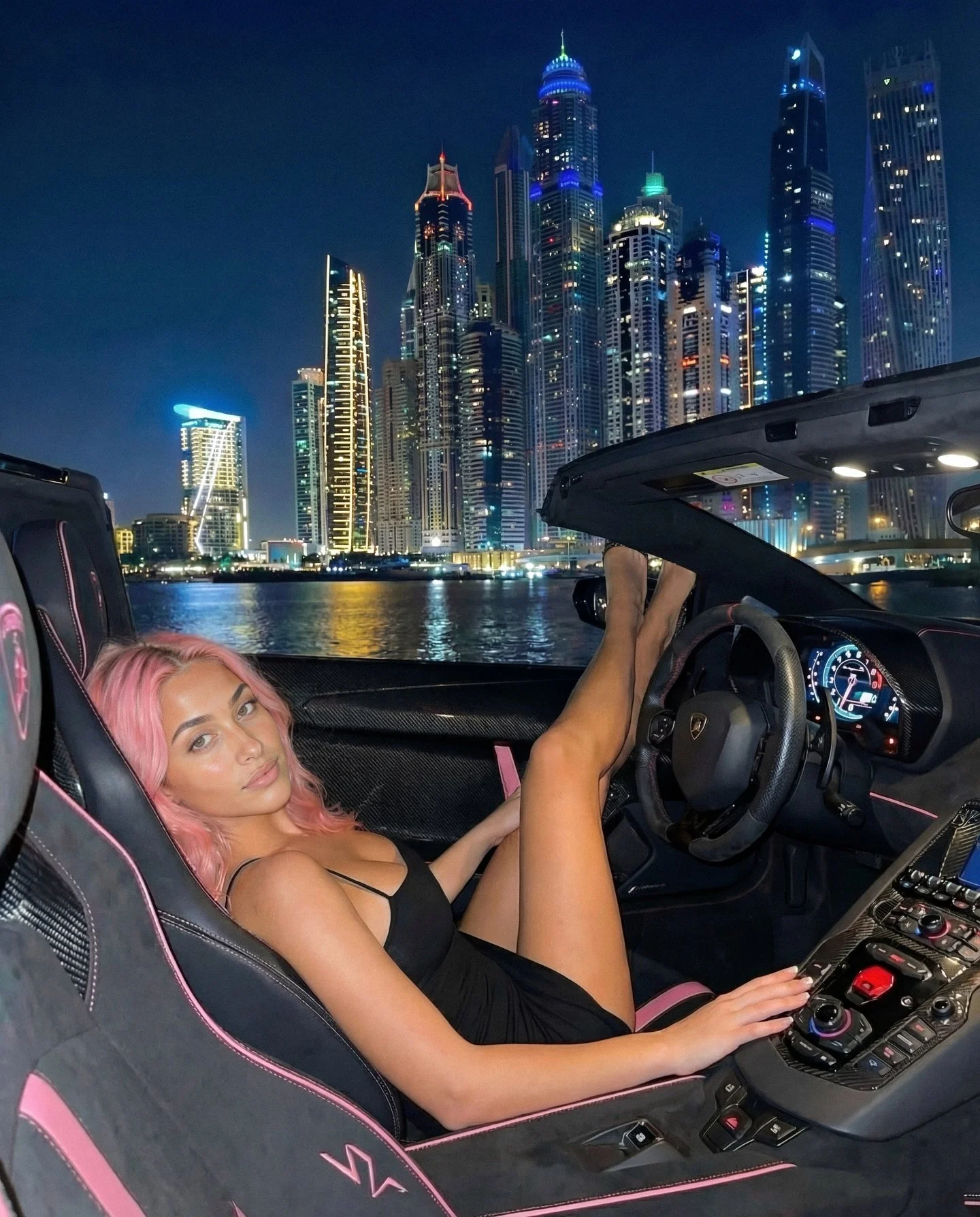
Festival fans are being flooded with AI-generated influencers who had never set foot in the desert. Granny Spills, an AI grandma with over two million followers, posted styled outfit shots from Coachella with engagement that rivaled her human counterparts. Accounts like Anazelu and Aitana Lopez pulled the same move with hundreds of thousands of followers each. None disclosed AI in their captions, but it didn’t stop some brands from paying.
By industry estimates, 20–40% of all online content is no longer human-made. The Verge described this Coachella crop as "uncannily attractive figures in glitzy outfits, posing for perfectly staged photographs." The diagnosis is in the description. For ten years, the goal of an influencer image was flawlessness. AI now does flawlessness faster, cheaper, and at infinite scale. The visual currency the industry minted has been counterfeited at the press of a button. Polish itself has become the AI tell, and the pushback is palpable.

In our next newsletter, we continue the article by exploring the cultural backlash already in motion, and the verified-human economy taking shape behind it. Catch up on the rest of the “Changing Face of Influence” series here.