
The Changing Face of Influence | Part 6
The rules of influence have flipped: digital now shapes the real world, and AI is accelerating that shift. Our feeds are flooded with generic content that feels hollow, fueling a desire for the opposite: the unexpected, the imperfect and the unmistakably human. Originality, taste and sensorial experiences are the new cultural currency.
Through this eight-part series, Qulture is here to lead brands through this moment, shaping the human-first storytelling and creative differentiation that define this new era of influence.
THE RISE OF CULTURAL GAMEPLAY
Salesforce hid a puzzle inside a 30-second Super Bowl ad and seventy million people showed up to solve it. The campaign featured MrBeast (YouTube's most popular creator and architect of elaborate internet prize hunts) who embedded cryptic clues inside the spot itself, then extended the trail across social media so the hunt continued long after the final whistle. In a content environment optimized, automated, and AI-generated to a state of frictionless, endless supply, the emotional premium around participation has flipped. 46% of Gen Z engage with interactive formats, and what they're reaching for is the feeling of finding something, specifically the satisfaction of discovery.
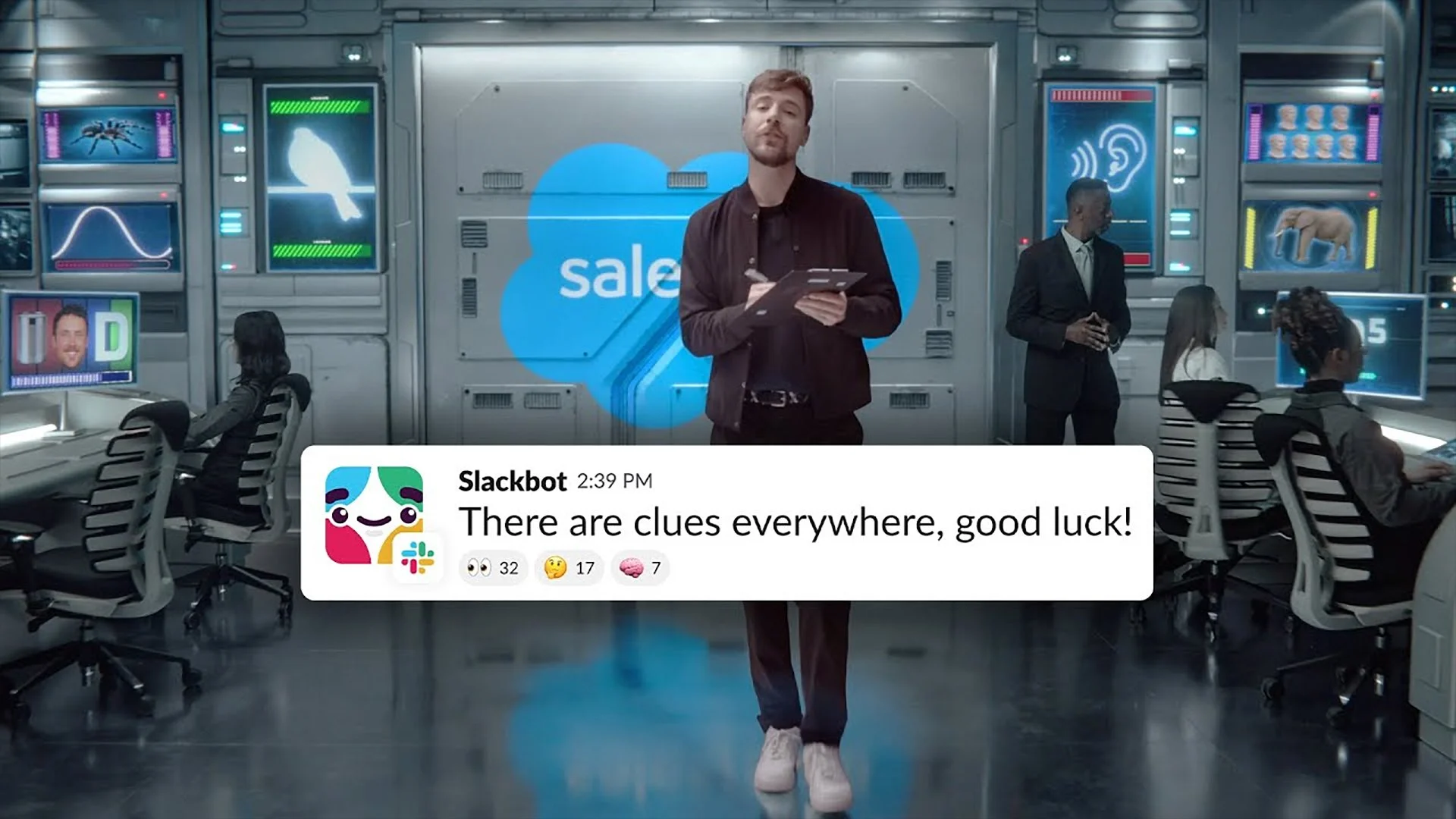
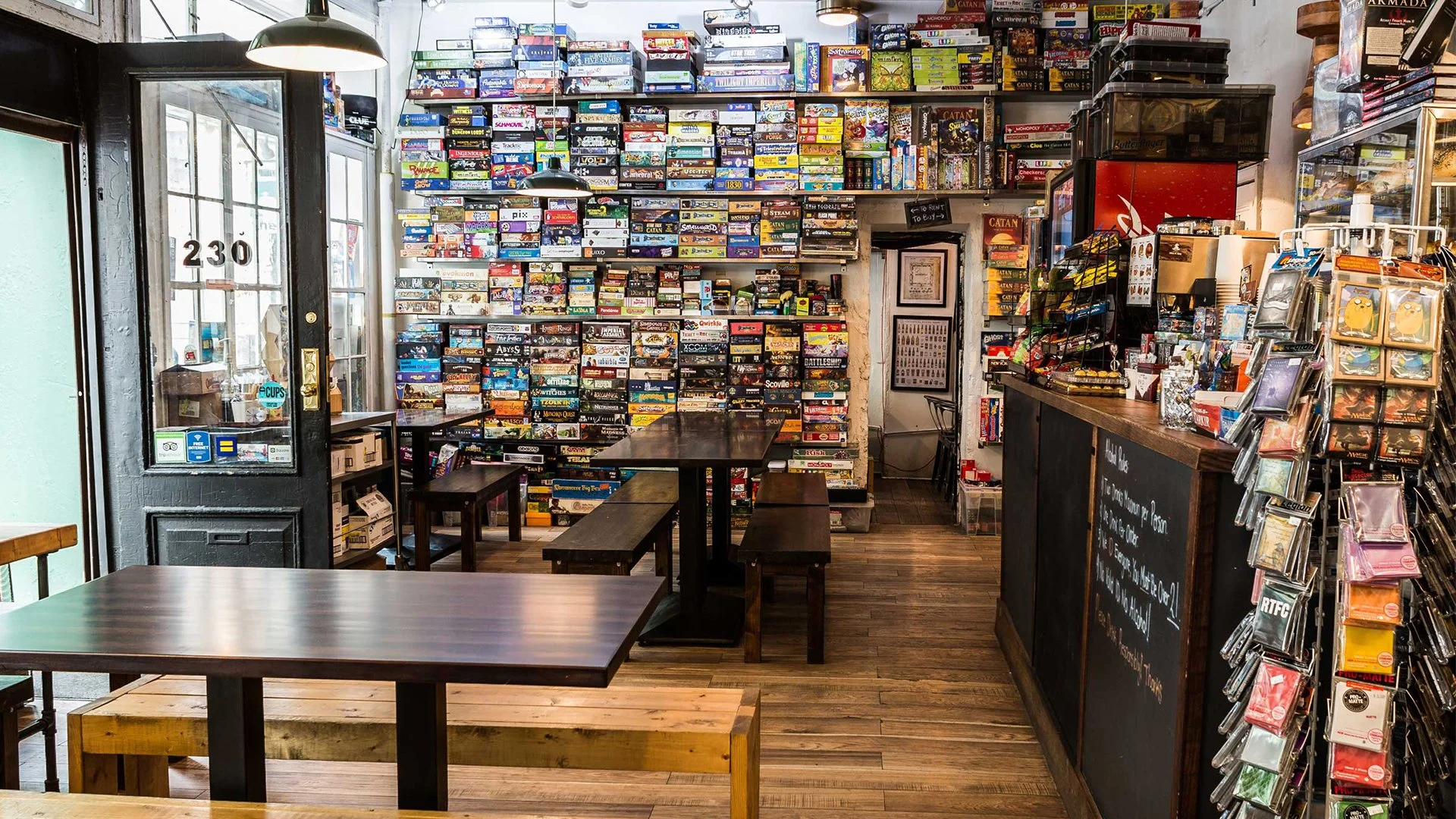
Gamified mechanics have been shown to lift trial engagement by 40% and triple purchase frequency. Signals are showing up in unexpected places. The board game cafe market is expected to nearly double to $2.50 billion by 2032, and NYC venues like Hex & Co. and The Uncommons are packed on Friday nights with the same people who spent Super Bowl Sunday solving MrBeast's puzzle. Same instinct, different surface. The conclusion is clear: audiences want to play.
The Thrill of the Hunt
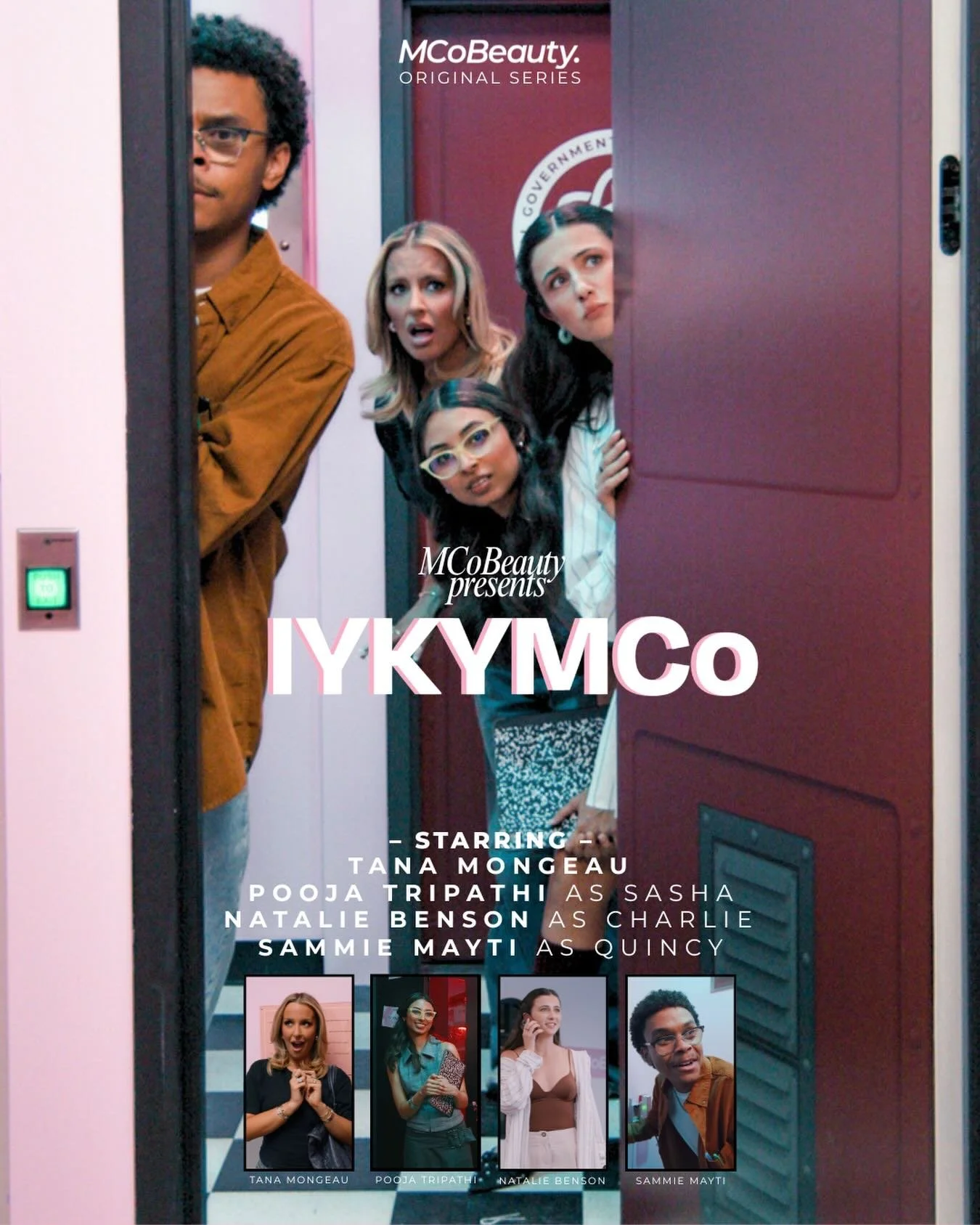
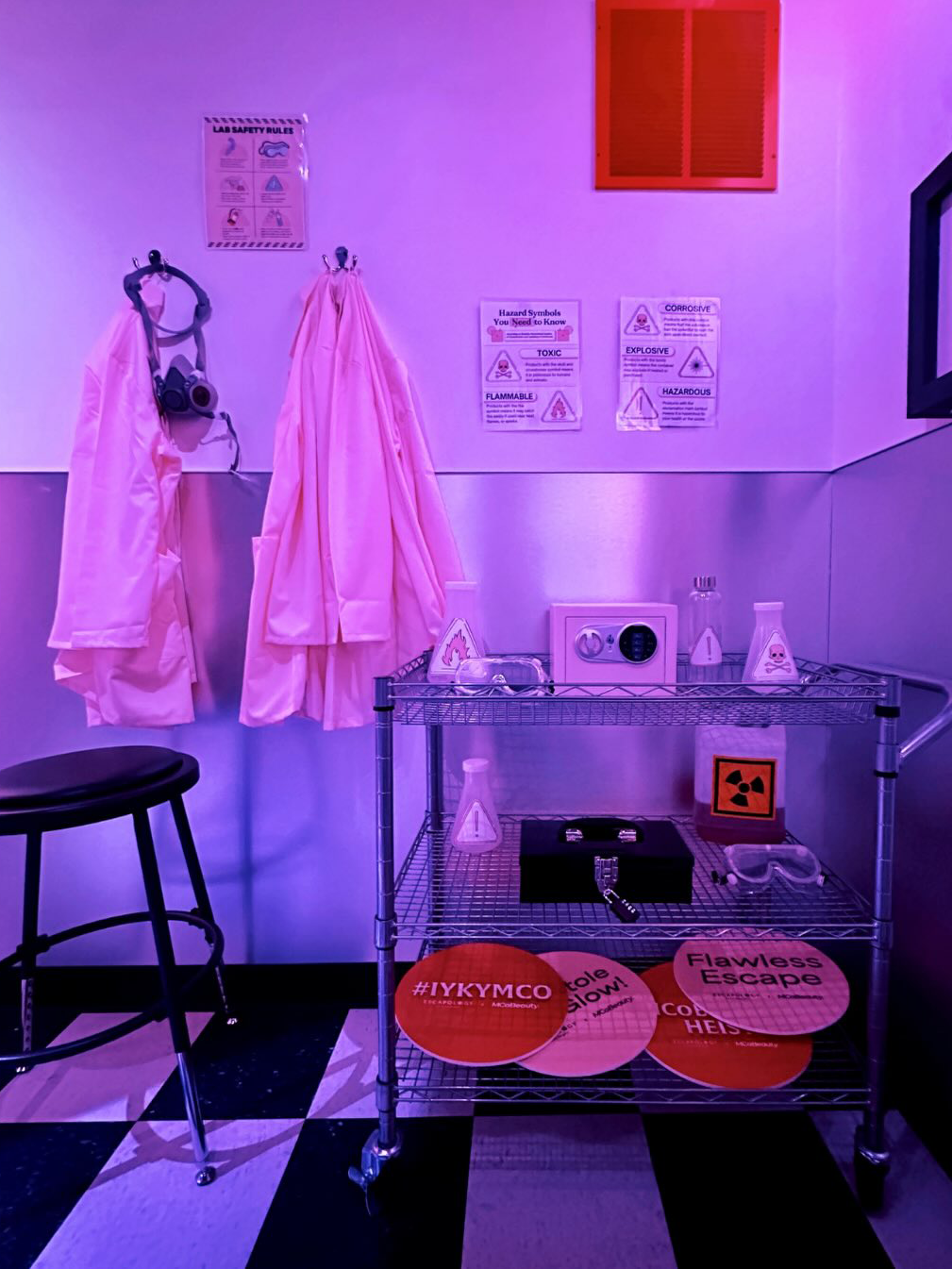
MCoBeauty built a fictional pink beauty lab and let audiences enter it from two sides. Online, viewers follow creator Tana Mongeau through a seven-episode social series in which she's locked inside the lab and has to solve a beauty-themed puzzle to unlock each new episode. Offline, the brand partnered with Escapology to recreate that same lab as a real, bookable escape room at 30 locations across the US, where guests worked through their own version of Tana's puzzles and walked out with free MCoBeauty products. What made this more than a clever campaign is what happens inside the brain when someone is pulled into a puzzle versus watching an ad. University of Bristol fMRI research found that game mechanics activate the brain's central reward center in ways that passive content consumption does not. MCoBeauty tapped into this to deploy a different category of influence entirely, one that skips mindless scrolling and writes itself directly into memory.
The Can That Became a Guest
Xbox turned a Fanta can into a side quest. To mark its 25th anniversary, Xbox put characters from Halo, Call of Duty, World of Warcraft, Forza Horizon 6, and Diablo IV on Fanta packaging across 60+ markets. QR codes could be scanned to unlock weekly challenges and in-game rewards. The campaign culminated in an IRL Diablo IV showdown in Los Angeles where players could compete for Xbox consoles, controllers, and BlizzCon tickets.
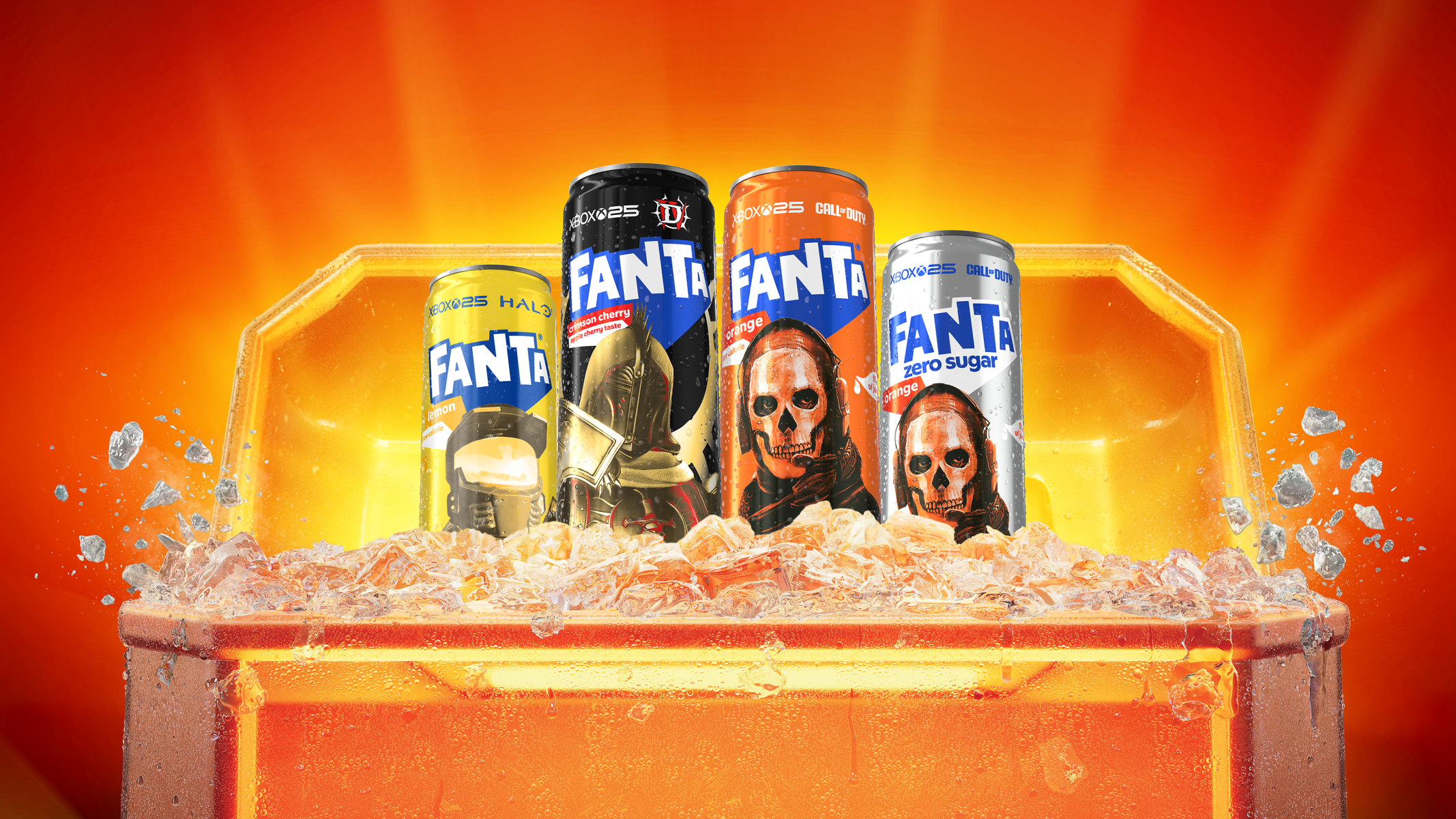
The campaign is built on the same loop that makes games hard to put down. The packaging carries a mission, the QR code is the entry point, the LA activation takes the experience off the screen, and the rewards are tangible enough to matter. The driver is dopamine: it fires during the anticipation of a reward, allowing customers to associate that same rush with the brand itself.
The Velvet Rope Effect
Urban Outfitters gamified belonging, and their customers became the most powerful players in the room. Me@UO is an always-on creator community open exclusively to micro-creators with under 10,000 followers who respond to weekly content prompts, earn affiliate revenue, and unlock access to exclusive brand experiences. As Urban Outfitters' head of brand marketing Cyntia Leo put it, the program marks a deliberate shift "from campaigns you watch to campaigns you join."
What Me@UO understood is that community rituals operate on the logic of earned access. Knowing the codes, showing up in the right way, creating content that only an insider could produce: these are the same instincts that make subcultures worth belonging to in the first place. As 45% of loyalty professionals rank participatory formats as the single most influential marketing trend for the next two to three years, Me@UO points at something the data alone can't capture. The velvet rope with the most pull is the one where getting past it feels genuinely earned.
Puzzles put your mind to work. Prizes are unlocked by those willing to play the game. The micro-community rewards its members by the depth of their attention. The brands that break through in the age of participation won't necessarily have the biggest budgets or the most famous influencers. They'll be the ones that made you feel like you earned your way in.