
Mapping the Frontier of AI Influence - Part 1
Part one of Mapping the Frontier of AI Influence, a three-part series on AI visibility for beauty and luxury brands.
THE AI PARADOX HIDING IN GEN Z'S CART
Over a billion people are now using AI assistants like ChatGPT, Gemini, Claude, and Perplexity. Increasingly, tens of millions are asking them what to buy. Gen Z, known to be AI’s loudest skeptic, is driving the highest usage for shopping, rewiring discovery across beauty, fragrance and fashion. CMOs rank AI visibility among their top priorities, yet only 16% consistently track their performance. Many struggle with confusing reporting and with how to shape their brand narrative.
The Generation That Boos AI Loudest Shops With It Most
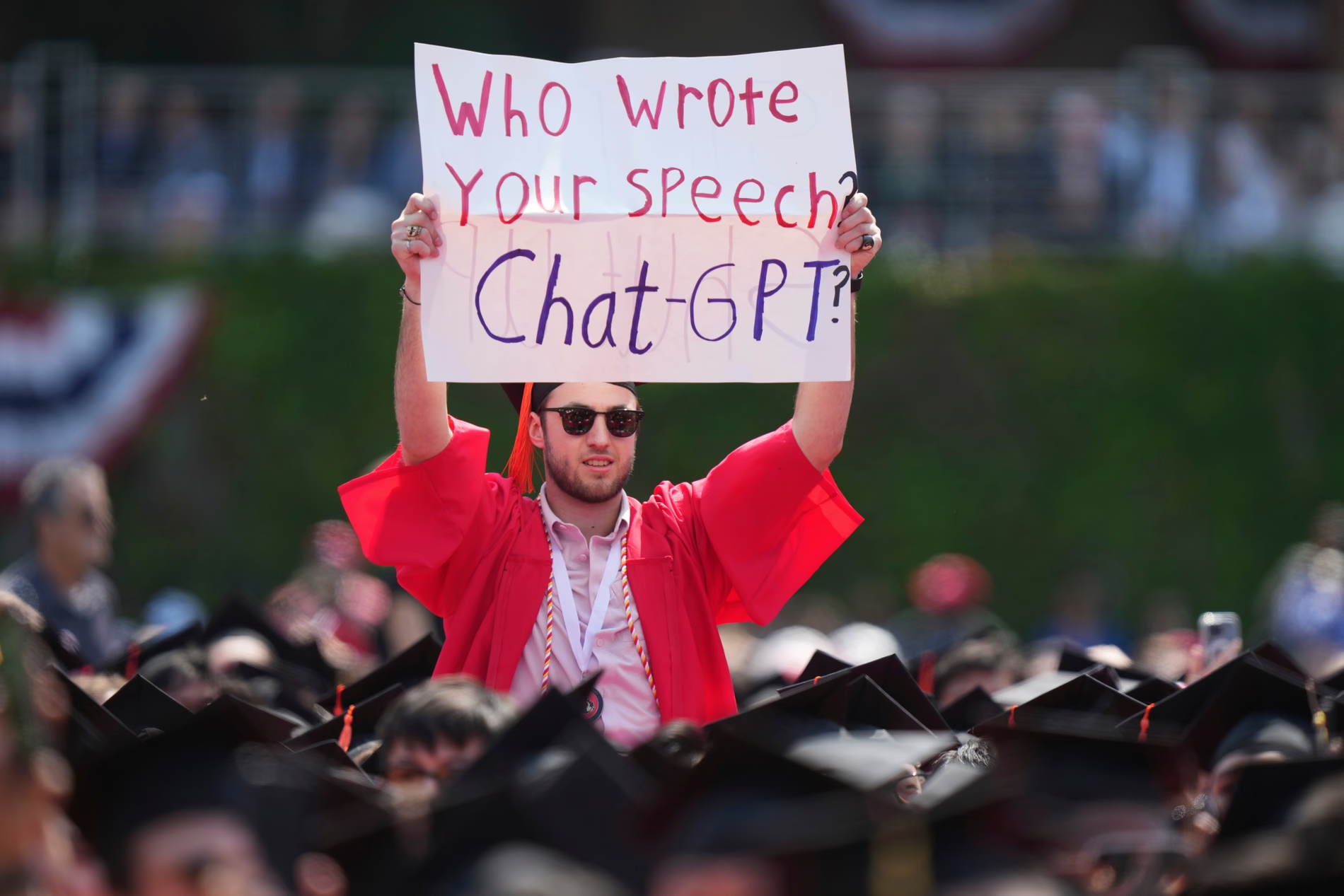
Gen Z have fallen out of love with AI, seeing it as a threat to their job prospects. Their excitement about the technology has dropped from 36% to 22% in a single year. Non job-related usage however, like shopping, is a different story. Here they lead every age group, and why they love it makes sense. AI assistants have no stake in the answer.
For a generation that grew up distrusting advertising, the unbiased guidance that AI builds on consensus from trusted third party sources feels more like fact than a hard sell. This makes inclusion in the AI answers one of the most valuable endorsements a brand can hold. It’s also one that no brand can buy.
A Top Priority for CMOs
Marketing leaders have noticed and are in full-scramble mode. Answer engine optimization (AEO) and generative engine optimization (GEO) are ranked as their top strategic priority for 2026, with 94% planning to raise their investment. Many are committing budgets before knowing how to track or improve their visibility. The urgency is not unprecedented. Brands that understood the importance of SEO early on enjoyed a several-year head start in search discovery before competitors caught on.
Appearing in the AI answers feels like déjà vu all over again, and it’s happening fast. Traffic from AI sources grew close to 400% year over year in early 2026, after rising 693% over the holiday season. What’s sparking even more interest is what happens after the click. It’s driving sales. According to an Adobe study of more than 1 trillion US retail site visits, traffic from AI sites converts 54% better than non-AI traffic. It’s also a sharp reversal from the previous year, when conversion rates were only half as high.
The challenge is that you can’t buy your way in. Brands are learning that organic AI visibility and recommendations are the new holy grail of marketing, replacing the once-coveted first search result slot on Google’s search results page, which has seen a 60% drop in clicks on pages with AI overview content. At Qulture, we see this as the new discipline every brand needs to master. It’s why we launched a dedicated managed service for our clients and a proprietary platform that diagnoses AI visibility problems and provides specific fixes for each of them.
McKinsey found that 62% of AI-enabled consumers use AI search to guide shopping across generations and projects $750 billion in US spending by 2028. This represents a marked shift in consumer behavior, and the brands that figure it out first stand to benefit early on, with their lead compounding.
Beauty Is Feeling It First
High-consideration categories where consumers buy on emotion are feeling it first. Beauty and fragrance purchases are driven by discovery and often come as the result of getting answers to specific questions and seeing recommendations from regular people. These conversations now happen with AI assistants. Type “the best retinol for sensitive skin” or “the best fragrance for a first date”, and the result does the work once relegated to a sales associate.
Fragrance is a category where consumers have a lot of questions. In the past they would ask a sales associate at Sephora, Ulta or a department store counter. Now they’re asking AI to help them decide what to buy. Established brands like Chanel and Dior with substantial content online have the lead here. Each appears 52% of the time, leaving other houses to compete for what’s left.
Built on the same high-consideration choice, fashion and luxury are next. The BoF-McKinsey State of Fashion 2026 report found that 41% of consumers already trust generative AI search results more than traditional advertising. The majority of consumers also say AI-assisted shopping is more satisfying than other online methods.
Early Movers Seeing Real Returns
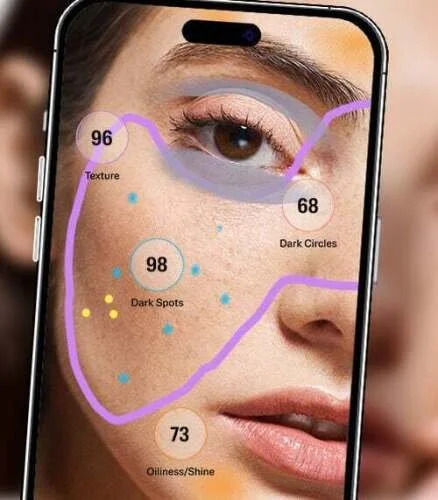
As one of the early movers in the space, Cetaphil studied what consumers are doing in-store for insights. Here the brand saw that up to half of its Gen Z shoppers were checking AI, specifically ChatGPT, in the aisle. To meet them where they were, it rewrote product detail pages around the specific questions that were being asked, and included clinical citations, which AI models treat as proof. Galderma, Cetaphil’s parent company, says e-commerce is now the brand’s fastest growing channel
Earned authority can land your brand at the top of the AI funnel. Something seen by La Roche-Posay, where its named in 81% of skincare queries on ChatGPT, the highest rate for any beauty category tracked by the eMarketer AI Visibility index. This accomplishment wasn’t the result of a brilliant media buy. It came from years of dermatological credibility and the resulting editorial ecosystem that rose up around it. Website optimization also had little to do with it as brand websites only make-up 5-10% of the sources AI pulls from. It’s the sources outside of brand’s control that make all the difference.
Beauty innovator and Gen Z favorite e.l.f. is making the case out loud. At Shoptalk this spring, its digital-commerce team said AI answer engines are already changing how people shop, calling visibility on those platforms the first step in the new purchase journey.
Inevitably, we’ll all keep asking AI what to buy, but only the brands that earn the mention will appear. Being one of them is the discovery challenge every CMO now faces. Being left out of the conversation will have implications for years to come.
Find out where your brand stands in the AI answers. Email us to schedule a call. We’ll walk you through your rankings and the gaps worth closing first.
Read part two of Mapping the Frontier of AI Influence, a three-part series on AI visibility for beauty and luxury brands.
Find out where your brand stands in the AI answers. Email us to schedule a call. We’ll walk you through your rankings and the gaps worth closing first.
FAQ
-
AI visibility is how often and how accurately AI assistants like ChatGPT, Gemini, and Claude name a brand when consumers ask what to buy. Qulture measures it through three metrics: Fidelity, Presence, and Authority. With more than a billion people using AI assistants every month, visibility inside the answer now shapes discovery before a shopper reaches a search page or a store.
-
Answer engine optimization is the practice of earning a place in AI-generated answers, the way brands once learned to rank on organic search results pages. There is no keyword to bid on and no placement to buy, so visibility comes from the sources AI cites: editorial coverage, reviews, retailer pages, and creator content. Enterprise CMOs rank AEO as their top strategic priority for 2026, with 94% planning to increase investment (Conductor, 2026).
-
Yes. McKinsey found that half of consumers now use AI search to guide purchases, and projects $750 billion in US spending will move through it by 2028. Most of that use is comparison shopping, with 62% of AI shoppers using it to weigh brands, models, prices, or reviews. Gen Z leads every age group in shopping with AI (eMarketer, 2026).
-
Through earned authority. A brand's own website accounts for only 5 to 10% of the sources AI search pulls from (McKinsey, 2025). The rest comes from editorial coverage, reviews, retailer pages, and creator content. La Roche-Posay shows the ceiling: ChatGPT named it in 81% of facial skincare queries in early 2026, a position built on decades of dermatological credibility and the editorial trail around it.
-
These are high-consideration categories where shoppers actively seek guidance, and those questions now go to AI assistants. In luxury fragrance, Chanel and Dior already appear in roughly 52% of AI recommendations each (eMarketer, 2026). The State of Fashion 2026 found 41% of consumers trust generative AI search results more than traditional advertising, which gives the answer real weight at the moment of decision.
-
Yes, at record rates. AI-driven traffic to US retail sites grew 393% year over year in early 2026, and AI-referred shoppers converted 54% better than other traffic in May 2026, the strongest rate in Adobe's data across more than 1 trillion US retail visits. Shoppers arriving from an AI answer land with their research already done, closer to purchase than almost any other channel delivers.
-
Qulture makes your brand easier for AI assistants to find, name, and describe correctly. We audit how ChatGPT, Gemini, Perplexity, and Claude currently talk about you, find where the answer gets your brand wrong or skips it, and help you rebuild the signals these models rely on. Then we run verification studies to confirm the work is lifting your AI visibility.