
The rules of influence have flipped: digital now shapes the real world, and AI is pushing that divide even further. As AI-generated slop floods our feeds with content that is endless, and feels hollow, audiences will crave what cannot be automated: the unexpected, the imperfect and the unmistakably human. Originality and taste will become the new currency that differentiates and stands out.
Through an eight-part series, Qulture is here to lead brands through this shift, defining the human-first storytelling and creative differentiation that will set the next era of influence.
WHEN EVERYTHING IS SLOP, HUMANITY BECOMES THE FLEX
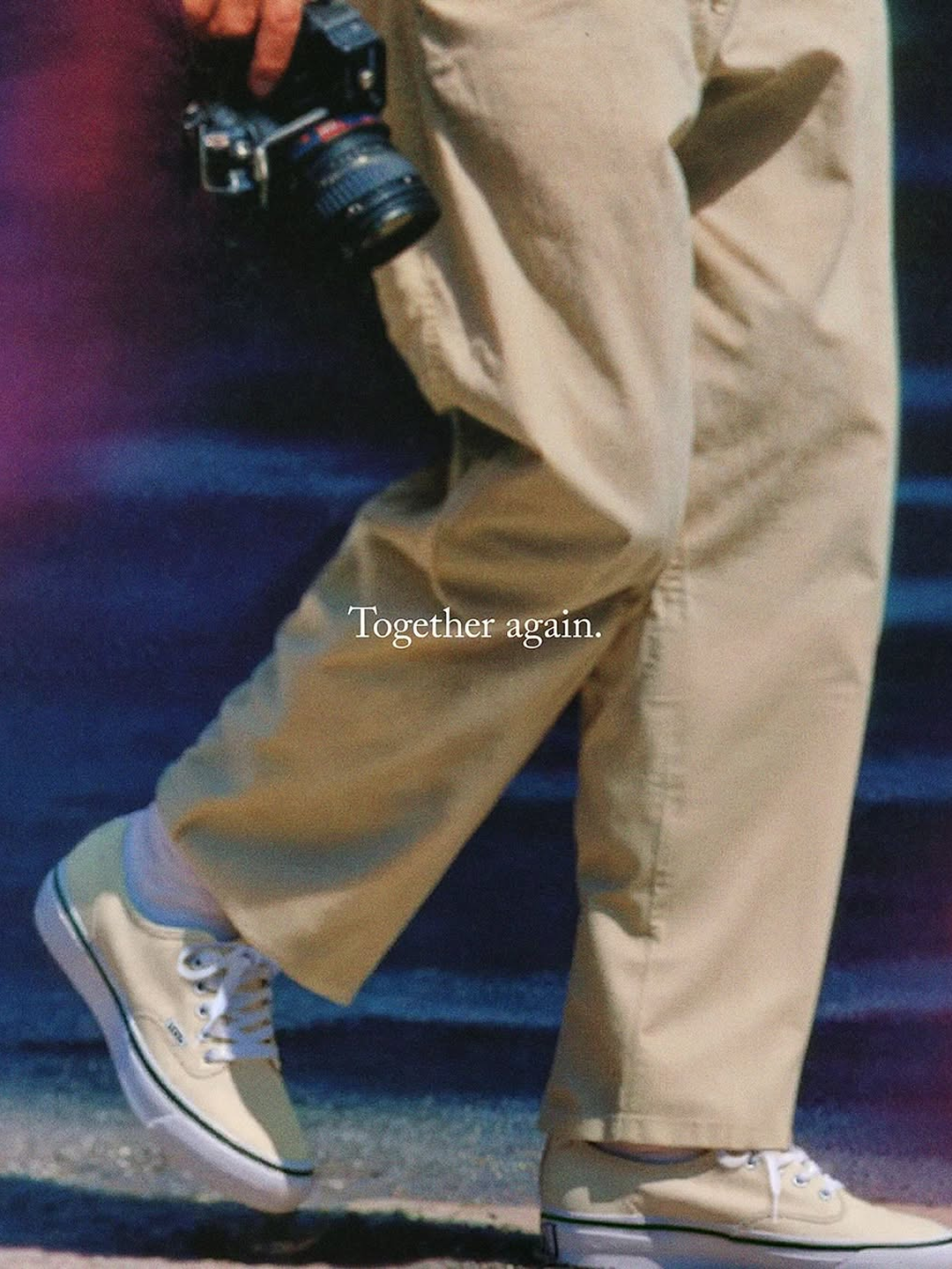
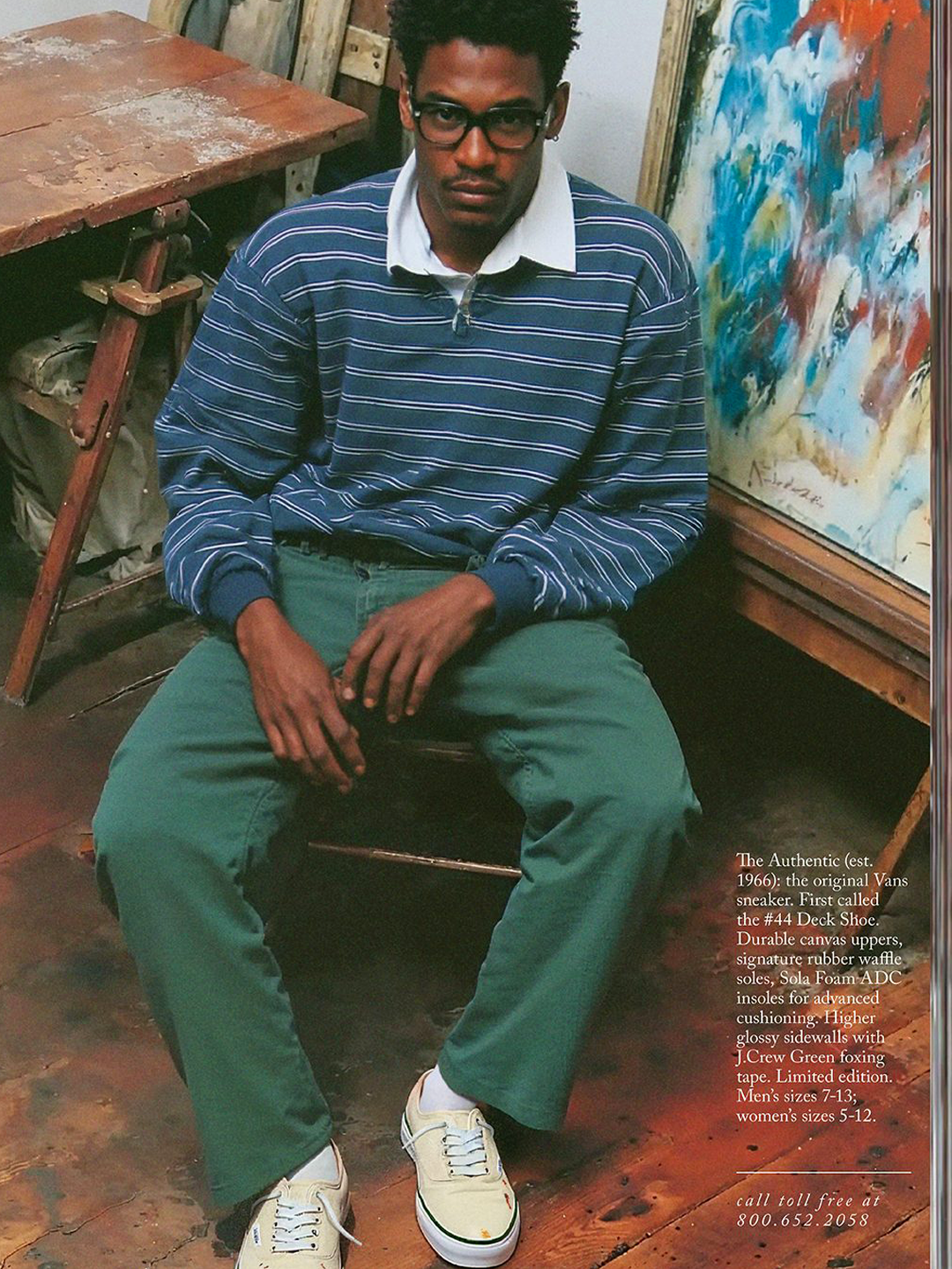
Since its bankruptcy in 2020, J.Crew has become fashion’s favorite comeback kid, fueled by a renewed focus on its heritage style and a digitally savvy marketing approach. Culturally fluent collaborations, an artful Instagram presence, and a deft tap into nostalgia all helped rebuild its relevance on digital. And even as physical media became increasingly non-existent, J.Crew managed to bring back its iconic catalog, endearing itself to a highly influential tastemaker audience that evangelized it to the masses—the stuff brand equity dreams are made of.
This past summer, J.Crew posted images to Instagram that appeared to be lifted from its beloved catalog, but actually turned out to be AI-generated. Once the truth emerged, loyal fans flooded the comments with disappointment and outrage. J.Crew is not the only brand to face criticism for its use of generative AI. Valentino, H&M, Coca-Cola, and McDonald’s have all recently found themselves in hot water for the same issue. While brands have rushed to integrate AI imagery into their campaigns, public tolerance has lagged behind.
According to a 2024 survey conducted by IAB and Sonata Insights, 38% of Gen Z and millennial consumers feel positive about AI-generated ads, compared to 80% of ad industry executives.
This divide illustrates the duality of our current cultural moment: while AI has unquestionably become a useful everyday tool, both for the ad industry and for the general public, our collective anxiety about its societal disruption continues unabated.
Perhaps this is why consumers seem to be gravitating toward products, campaigns, and experiences that celebrate what is imperfect and unmistakably human. Many brands that are currently using AI successfully are not trying to replace human representation and expression, but they are connecting with consumers by foregrounding creative expressions rooted in craft, lived experience, and creative instincts that machines can’t mimic.
The following brands exemplify best-in class storytelling, in which humanity itself is treated as the ultimate flex.
Rooted in Craft
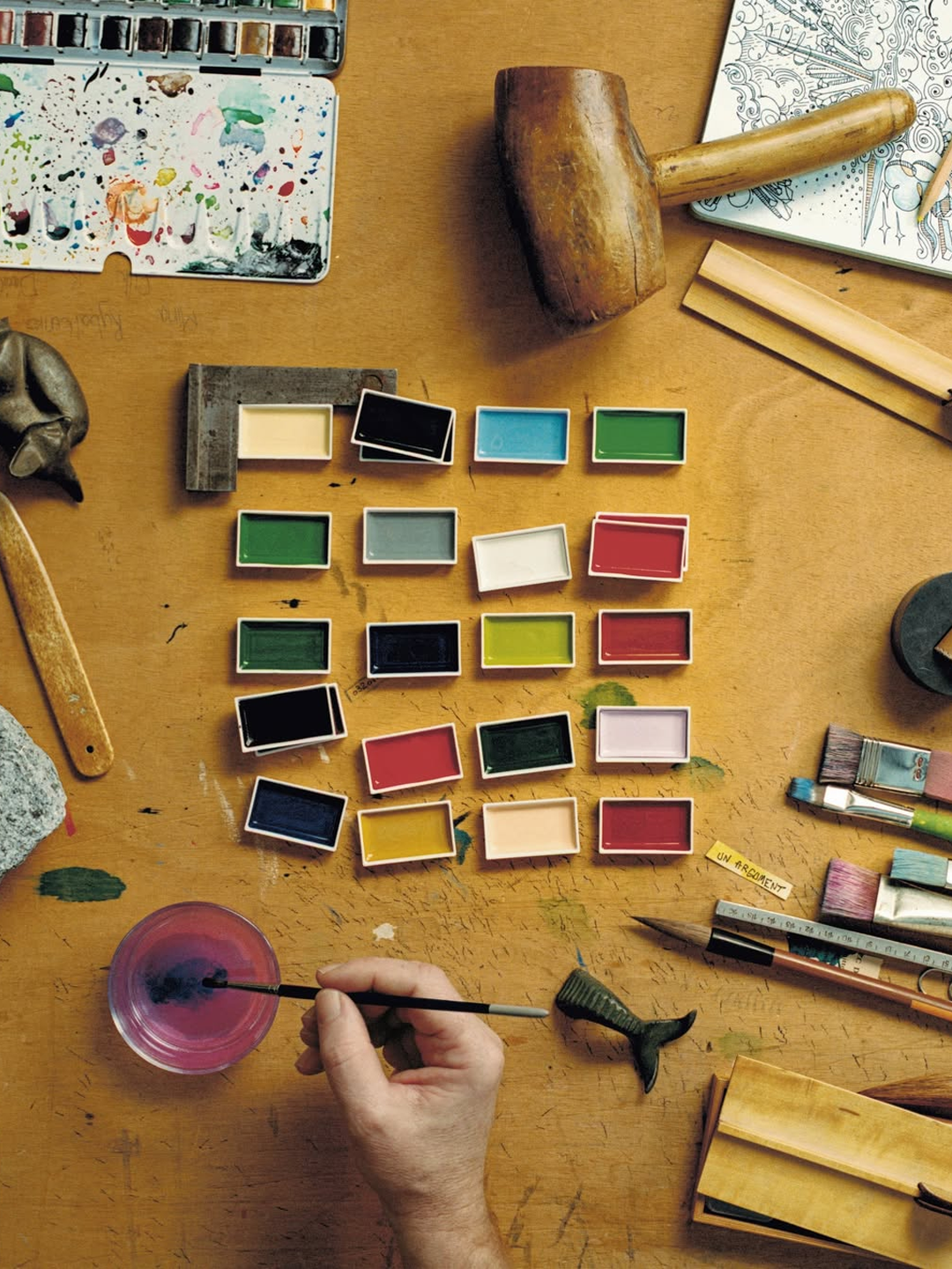
As machines threaten to do everything for us, and anyone can use Midjourney to generate fantastical images, audiences are gravitating toward deeper storytelling around craft, material, and process, and how these elements reinforce the humanity of both the maker and the wearer.
Loewe’s product drops are often accompanied by long-form videos spotlighting its artisans, designers, and creators.
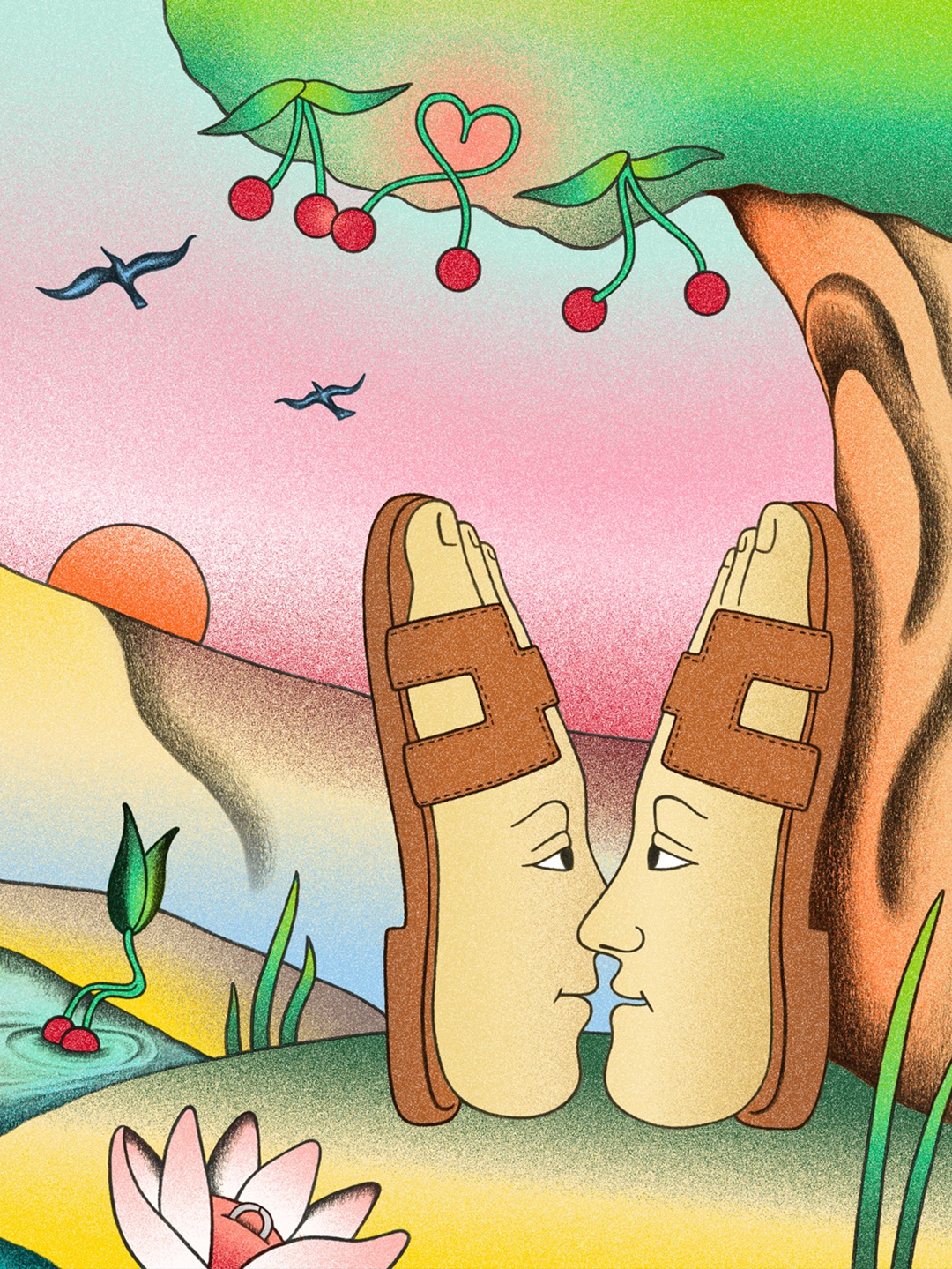
Hermès collaborated with 78 artists in 2025 alone for its Drawn To Craft campaign, generating digital content in which product typically took a backseat to artist and narrative.
Fragrance brand Ffern amassed a devoted cult audience and more than 1 million Instagram followers through a subscription-based business model that offers small batch limited-edition scents only to members and list subscribers. Its seasonal social media films pay homage to its commitment to slow, handcrafted creative processes.
Creative Instincts That Machines Can’t Mimic
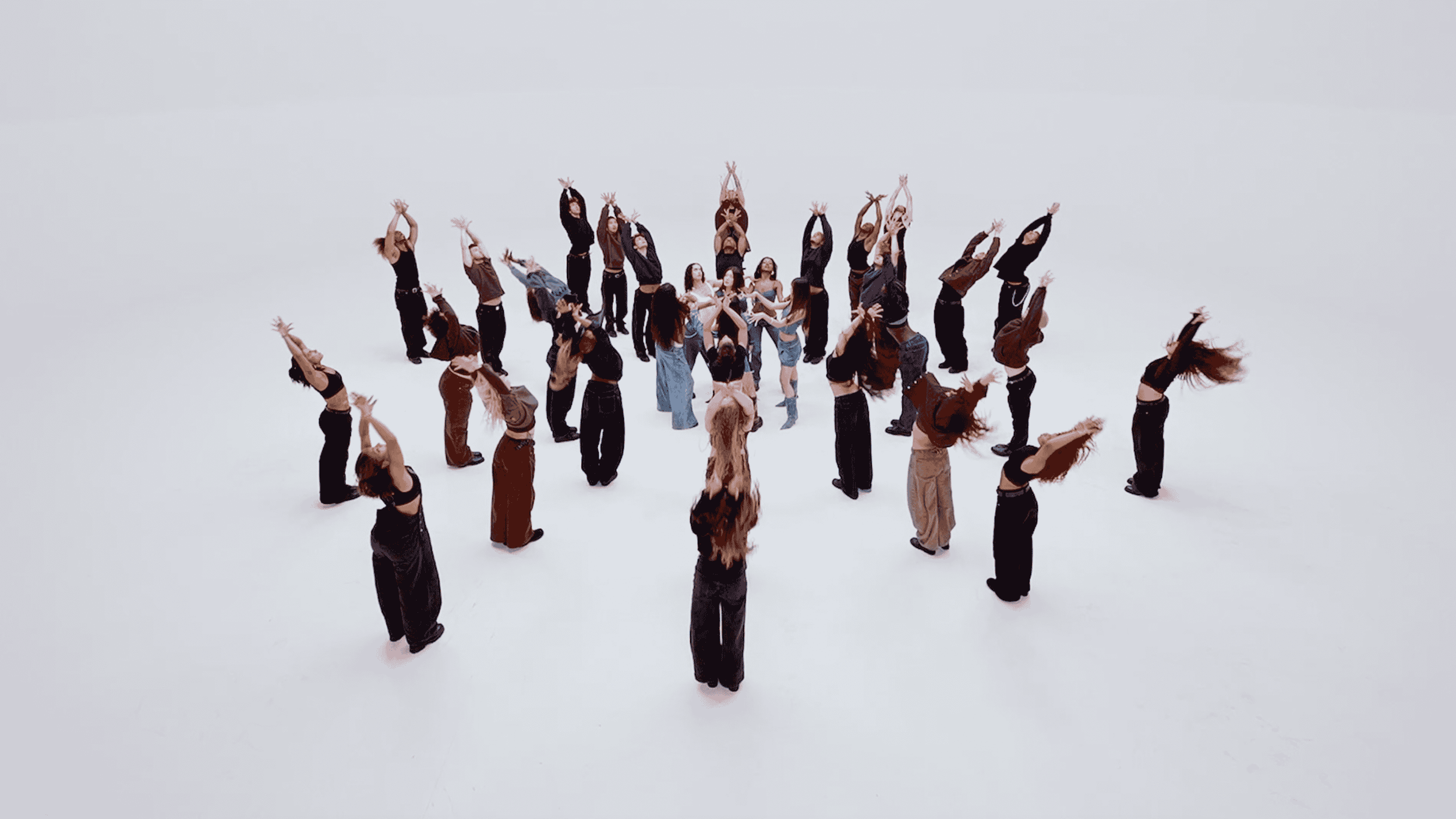
Choreographed dancing, as perhaps the most physical human art form, has become a shorthand creative tool to combat AI fatigue in its ability to celebrate individuality, self-expression, and togetherness.
GAP achieved what many called the most viral campaign of 2025 with its “Better in Denim” campaign starring the group Katseye.
DTC homewares brand Hommey and internet-favorite Sezane have also pleased their core followers and sparked intrigue with new audiences through campaigns centered on movement, spontaneity, and joy.
Lived Experience
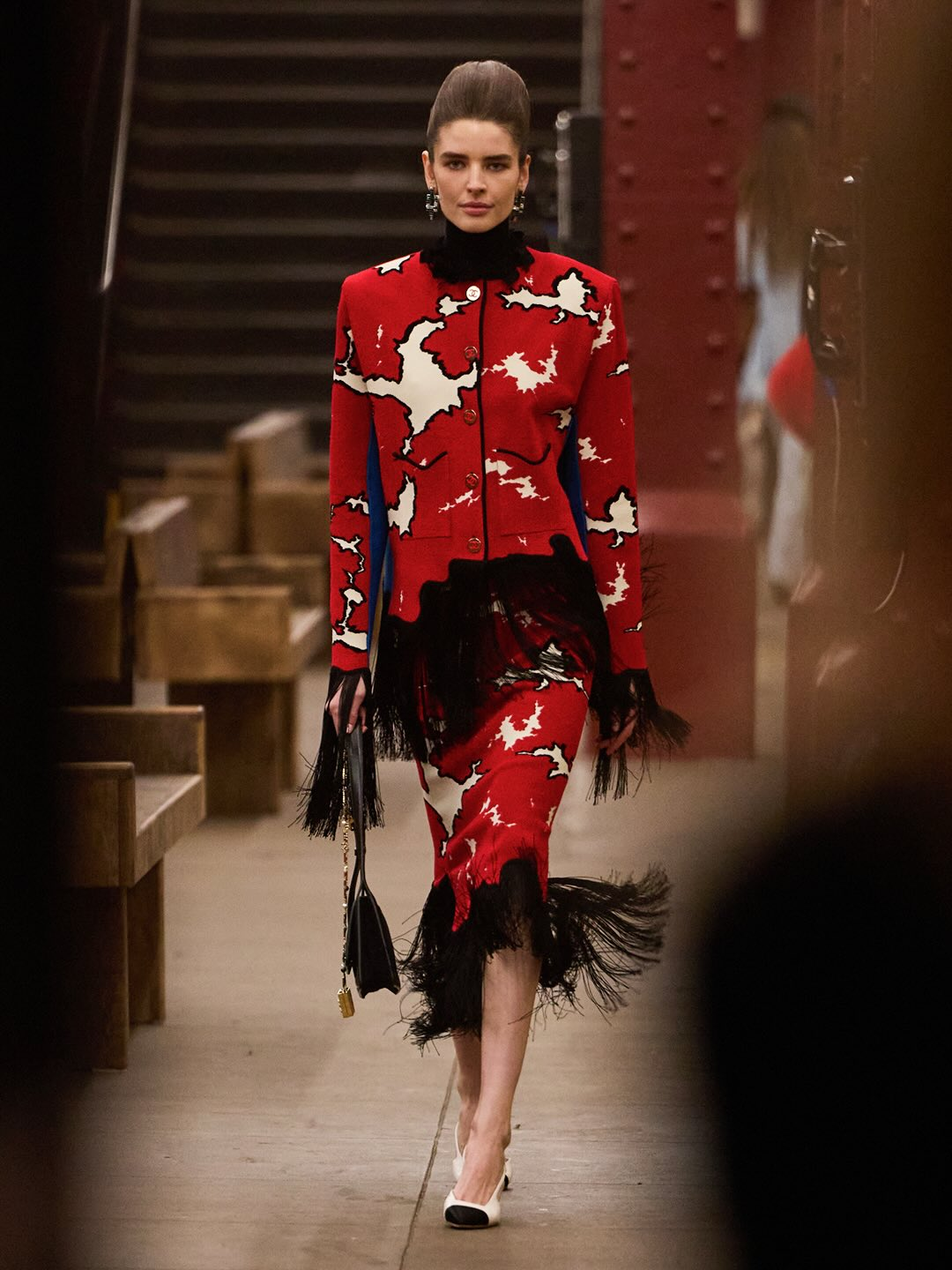
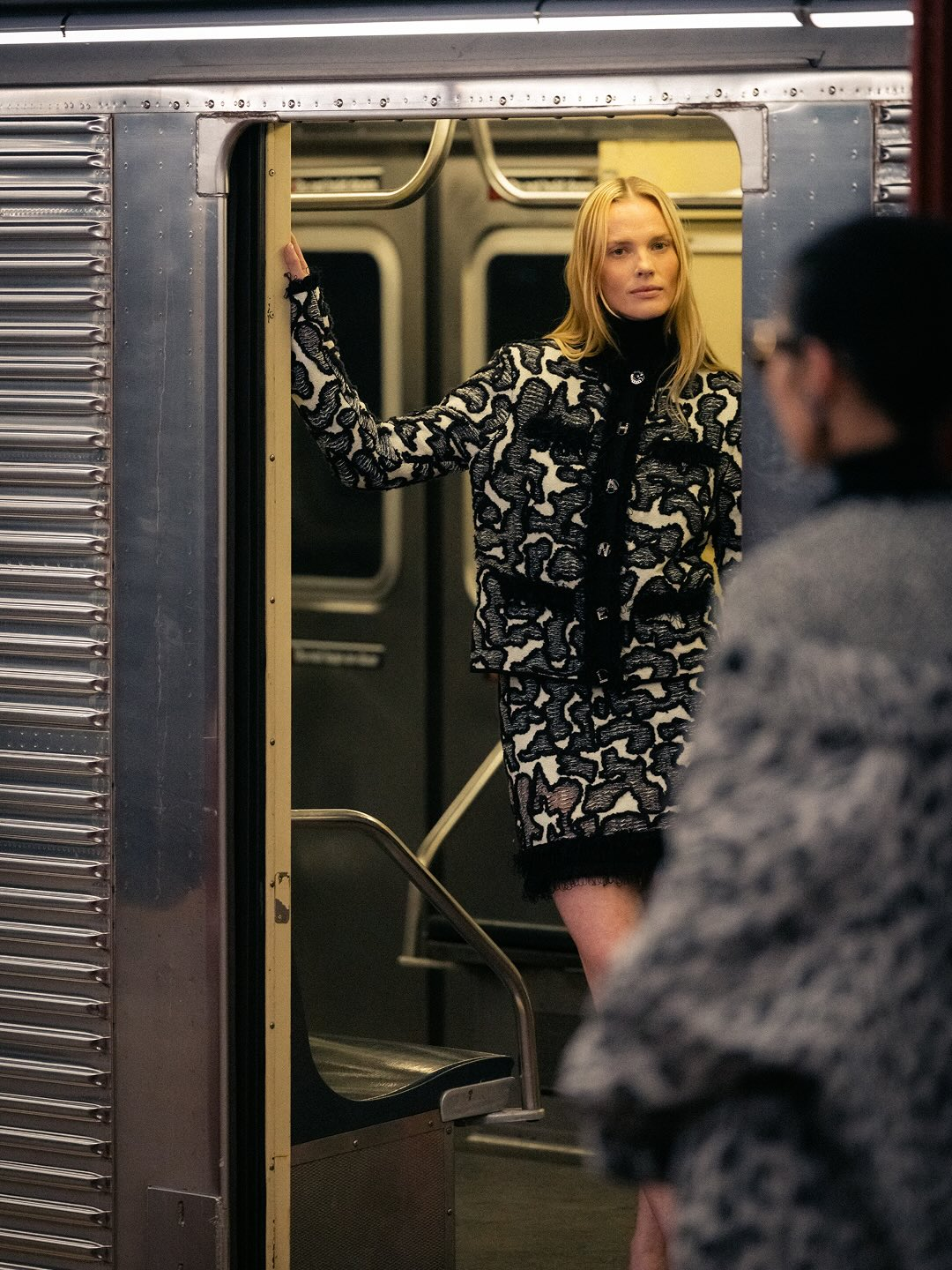
Is commuting glamorous now? According to Chanel Creative Director Mathieu Blazy, the answer is yes. The fashion house’s much lauded 2026 Métiers d’Art show, held in one of New York’s grittiest subway stations, was centered on a vision of elevating the quotidian and romanticizing shared experiences.
Paloma Wool’s AW25 campaign stood out in fashion’s predictably polished fantasy by offering a sense of dignified realism. The launch campaign drew from the designer’s experience of creating a new collection while pregnant, connecting with audiences by acknowledging and celebrating the tensions many people feel between their work and home lives.